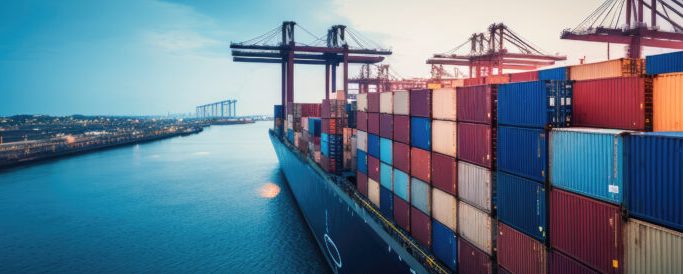
The scenes of supply chains all over the world grappling with delays due to the Suez canal crisis is still afresh in everyone’s minds, and here we are with yet another disruption to the container transportation. The post-COVID scene continues to present a dismal picture for overseas sourcing, with a series of “black swan” events. The latest to add to the string of such events, is the “Red Sea Crisis”.
The Red Sea is a major trading route for commercial vessels between Asia and Europe. The problems associated with this crisis, took form initially from the Israel-Palestine conflict. Starting off with the initial targets being just the Israel bound and Israel owned vessels, the Yemen-based Houthis have now reportedly started attacking the commercial vessels owned and destined towards other countries as well. This has resulted in major shipping companies like MAERSK and Hapag-Lloyd to entirely suspend its operations through the Red Sea. To circumnavigate this issue, many companies have now resorted to taking an alternative route to reach Europe, going all the way around Africa through the Cape of Good Hope. This circuitous route adds an extra 9 days for the transportation, which adds an extra 3457 nautical miles to the total distance.
While such crises are unexpected which means that there cannot be any mitigation strategies in place to counteract them, supply chain gurus all over the world have started highlighting the need to be more proactive and ready to tackle any such future crises. Some of the methods suggested by the experts are diversification of transport routes and using other means of transportation such as rail and air. The use of analytics to have real time information about the red sea route would be of paramount importance to increase supply chain resilience. This would in turn ensure that the response to such scenarios are agile. The third measure would be the often cliched “collaboration”. Better collaboration with local authorities and stakeholders would help to foresee future disruptions and mitigate the risks.
From a futuristic perspective, firms should start overly relying on single sourcing for critical components and start having multiple suppliers, from different locations. Single sourcing leaves supply chains exposed to vulnerabilities. Additionally, leveraging the use of technologies such as IoT, Blockchain and advanced analytics would facilitate better inventory planning and to gain real time visibility.





 Supply Chain Indulge
Leave a comment